

E A T I N G D I S O R D E R T H E R A P Y
For the part of your life no one sees.
Specialized therapy grounded in the kind of clinical experience that recognizes the patterns, understands their complexity, and knows where to begin.
For adults navigating eating disorders and the anxiety, OCD, trauma, and mood concerns that often accompany them.
I N P E R S O N I N D E N V E R
O N L I N E T H E R A P Y C O, W Y, M N, V A
B R Y N N D Y A S, L P C · 17 Y E A R S T R E A T I N G E A T I N G D I S O R D E R S
D E N V E R · C O · M N · V A · W Y
Enough is never Enough
The meal ends but the calculations don’t.
What you eat. How much you exercise. What you weigh. How you look. The ingredients, the portions, the scale.
Too much. Not enough. Either can dictate the day.
There’s always something to resist, undo, or make up for. Even following the rules doesn’t quiet the mind.
It’s loud in there. And, under all that noise is something that once worked.
Most people find me in the middle of something.
A few hard things in the past, a few fires burning right now, a body that has become part of the problem, a family that is part of the story, a season of life where the old plan quit working. And underneath it all, a mind that hasn’t been quiet in a long time. What they want is simple, even if the path isn’t: to move through the day carrying less.
loud
Start where it’s
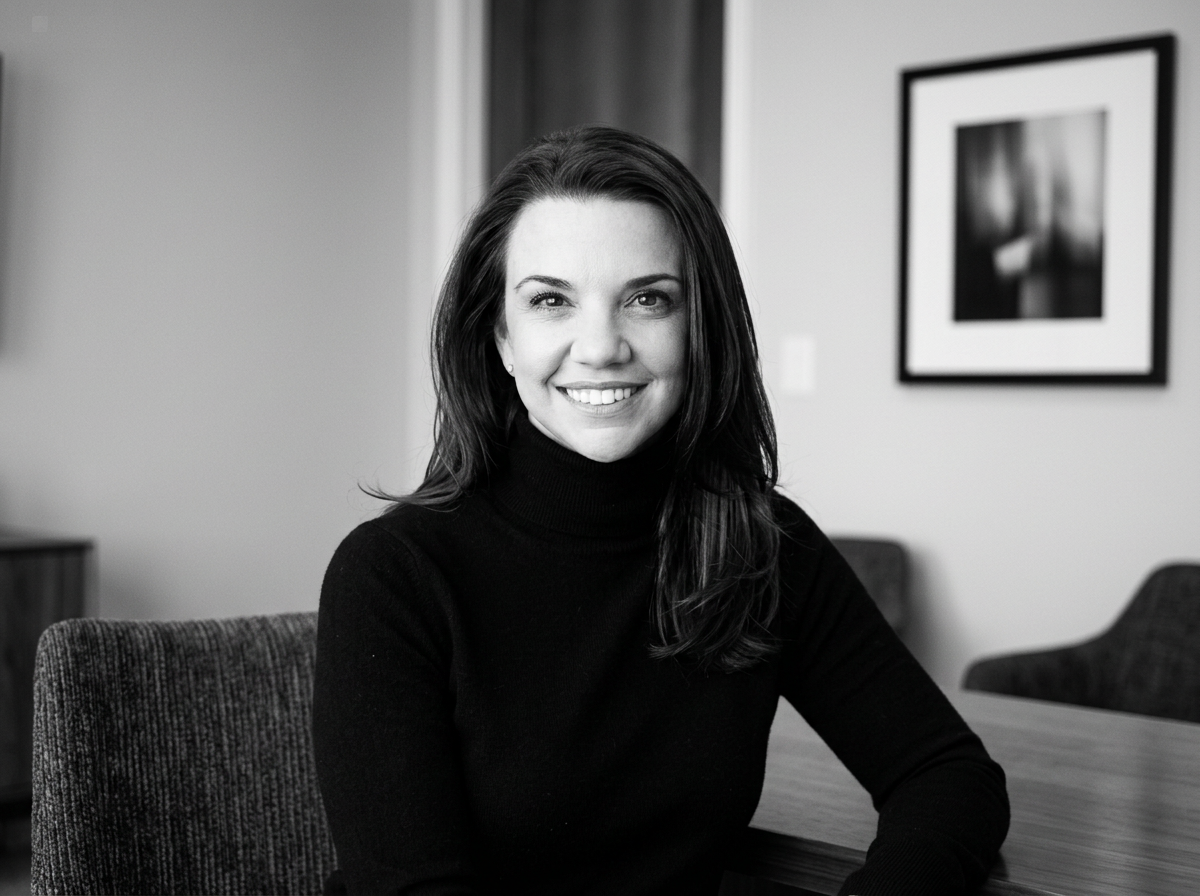
I’m Brynn Dyas, a licensed professional counselor, and I’ve spent seventeen years sitting in rooms where things are hard. Since 2008, most of those rooms have been eating disorder care: inpatient and residential, as a therapist, clinical manager and clinical supervisor. It’s work where the medical, psychiatric, dietary and behavioral threads all pull on one another and someone has to hold the whole picture at once.
Eating disorders are my specialty. I know what it takes for someone to get well, and I know how to help them get there.
17
Years in rooms where things are hard. Inpatient, residential and outpatient eating disorder care as an therapist, clinical manager and clincal supervisor
Years in rooms like that teach you to see how all the parts work together, and that it’s never just one thing. The body, the history, the family, the brain chemistry, the habits that once kept you safe are all in conversation with each other. When things are on fire, I stabilize. Then I get curious about why it kept catching.
Eating disorders rarely travel alone, and neither does the work. The panic and the restriction, the numbness and the control, the old injury and the current exhaustion are usually one story told in different languages. I’m good at translating.
I don’t start with a protocol. I start with you: What is actually going on? What is contributing, all of it? What can we address right away, and what needs time? Then I build the plan around you, blending approaches to help your nervous system settle and to build the insight and skills that make change last.
Many people begin in chaos. Plenty arrive certain that calm, or relief, or a life that feels like theirs just isn’t for them. A good number get there anyway. I’m annoyingly committed to that outcome, and equally committed to being warm, candid, and direct about how we get there.
Whatever you’d call it
Some people arrive with a diagnosis. Others arrive with a private worry that what they’re dealing with isn’t “bad enough” to count. Eating disorders don’t follow stereotypes, and neither do the people affected by them. Everyone belongs here.
The label matters less than the whole picture.
I WORK WITH ADULTS AFFECTED BY
In addition to disordered eating I also treat:
Trauma, Anxiety, OCD & Mood difficulties
Questions people are afraid to ask
Do you only treat disorderd eating ?
No. Eating disorders are my specialty, and they rarely arrive alone, so I also treat the anxiety, OCD, trauma, and mood concerns that come with them. I also work with these on their own, with no eating disorder in the picture.
Have you worked with someone like me?
Almost certainly. Seventeen years across inpatient, residential, and outpatient care means I’ve worked with adults of every gender, age, and body, and plenty whose histories never fit a standard plan. If I haven’t seen something quite like yours, I’ll tell you, and we’ll work it out from there.
How long will this take?
It depends, and anyone who gives you a number before they know you is guessing. Some things shift in weeks. Others need real time and attention. What you can count on is that we’ll map it early and check in on it regularly, so you’re never left wondering where this is going.
My last therapist didn’t work out. What are you like?
It happens more often than people say, and it usually says more about fit than about you. I’m conversational and candid. Warm, direct, and steady when things get hard. I’ll tell you what I’m seeing, ask what’s helping and what isn’t, and I’d rather hear “this isn’t working” in the third session than have you quietly leave. The first call is there so you can find out before you commit to anything.
If your story is complicated, you’re in the right place.